
SMALL TEAM, BIG AMBITION: TAKE PART TO THE FIGHT AGAINST OVARIAN CANCER
A tiny team at OVACell is taking on a huge challenge: fighting ovarian cancer with hidden viral sequences and advanced immunotherapies. Their journey shows how determination and innovation can give patients a real chance.

A small but determined and experienced team at ErVimmune, the company leading the European OVACell project, is pioneering innovative therapies for one of the deadliest cancers affecting women. Ovarian cancer often goes undetected until late stages, leaving patients with limited treatment options. OVACell aims to change that, using T cell therapies that target unconventional antigens derived from human endogenous retroviruses (HERVs), viral sequences normally dormant in human DNA but abnormally expressed in tumour cells.
“Every decision, experiment, and partnership we make is guided by the reality faced by patients,” says Nathalie Donne, CEO of ErVimmune. “We’re not just working on cells in a lab; we’re working to improve real people’s lives.”
Founded in 2020 by Professor Stéphane Depil, a physician and academic oncologist, ErVimmune combines scientific expertise with patient-focused insight. Professor Depil’s regular interactions with patients show the urgent need for therapies that truly make a difference. “Stéphane keeps us focused on impact, not just novelty,” says Nathalie.
OVACell’s approach is both innovative and highly precise. The project first developed a vaccine for triple-negative breast cancer and ovarian cancer, targeting sequences shared across a wide patient population in Europe, North America, and ASEAN regions. Building on this success, OVACell is now advancing a T cell therapy for ovarian cancer, a disease with very high unmet medical need, where relapse is common and late diagnosis drastically reduces survival rates.
Each therapy is carefully validated to avoid harming healthy tissue. OVACell uses a proprietary methodology including algorithms with AI-driven data analysis, immunopeptidomics, and in vitro testing to ensure the highest specificity and safety.
Collaboration has been essential for progress. ErVimmune works with contract manufacturers in France to scale production, as well as regulatory and clinical partners to navigate complex safety and efficacy requirements. “We are a small team,” says Natalie. “To achieve what we do, we rely on expertise and strong partnerships, sharing both vision and value.”
Challenges remain, including technical adjustments, regulatory hurdles, and financing. Yet the team’s resilience and determination have driven significant milestones, from product development to early preclinical validation.
For ErVimmune’s team, the project is also deeply concrete. “We all have friends and loved ones affected by cancer. Every solution we develop, every step we take, could make a difference. Prevention, awareness, and innovation are not abstract; they save lives.”
With the support of the European Innovation Council, OVACell is now preparing for preclinical evaluation, with the goal of demonstrating safety and efficacy in humans in the coming years. The project exemplifies how a small, committed team can address one of medicine’s toughest challenges, combining cutting-edge science, careful validation, and a human-first mission.
OVACell’s journey reminds the world that medical innovation is about more than technology; it is about empathy, courage, and the determination to give patients a real chance at life.
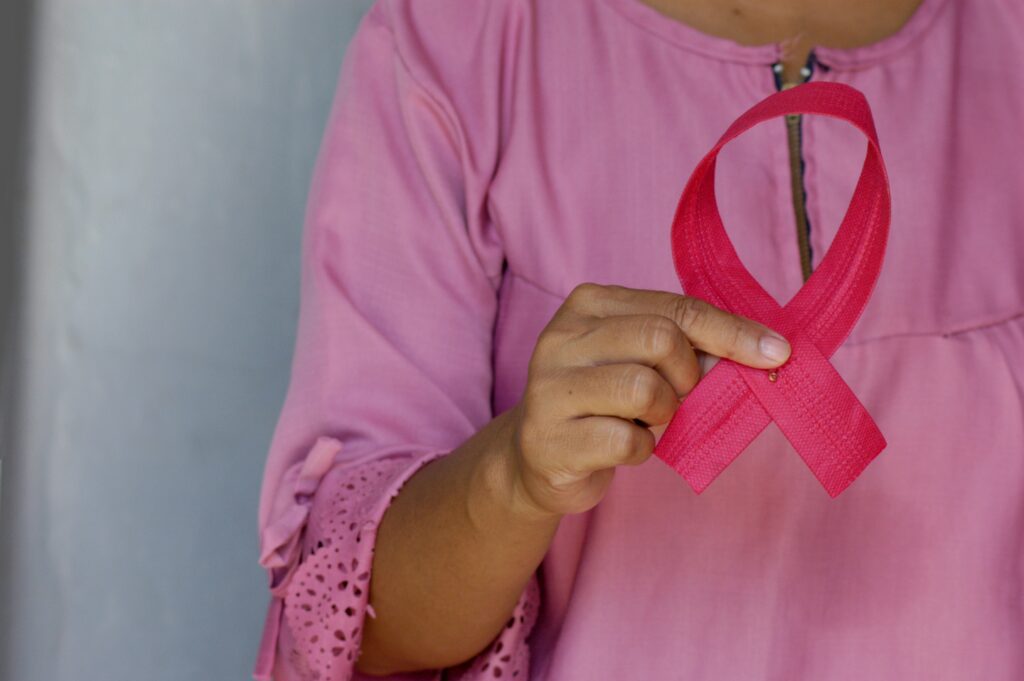
Photo by Angiola Harry on Unsplash
