

METATOOL: TEACHING ROBOTS THE WAY TO REFLECT AND CREATE
When you ask a scientist where their most ambitious idea began, the answer is rarely simple. For Pablo Lanillos, computer scientist and coordinator of the METATOOL project, the story starts with a quiet but persistent question: How do we make decisions?
That question has shaped his entire research career. But it was during the writing of the METATOOL proposal that everything shifted. “I was working on robotic self-perception: how machines could mimic the way humans sense and understand their bodies,” he recalls. Then came an unexpected conversation with Geeske Langejans and Carlos Hernandez Corbato, from Delft University. They were studying ancient tools, some dating back 3.3 million years. “Suddenly, I saw the connection,” Pablo explains. “Maybe this awareness process, this ability to reflect on ourselves, was the missing link between using tools and inventing them.”
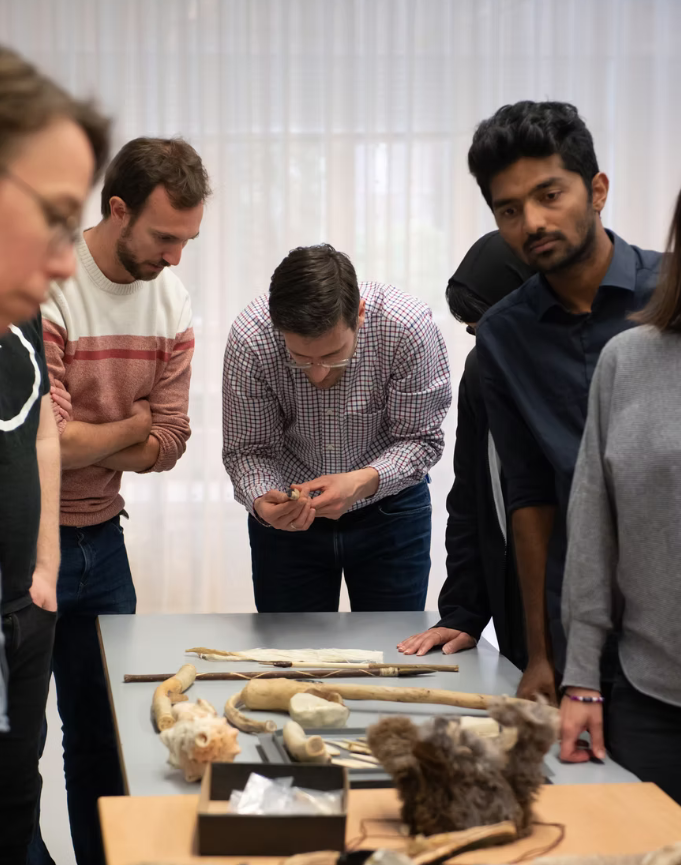
The project, supported by the EIC Pathfinder programme, quickly evolved beyond its initial scope. What began as a robotics challenge became a deeper quest to understand the roots of human intelligence and recreate those processes in machines. A conversation with cognitive psychologist Steve Fleming at UCL added a critical third element. “He was working on metacognition: how we evaluate our own actions. That tied everything together.” With archaeology, neuroscience, and robotics forming a triangle, the idea for METATOOL took shape. The name reflects that vision: meta for metacognition, tool for invention, a robot that could think about its actions, evaluate them, and invent new solutions.
Gathering the right team for such a broad, ambitious idea wasn’t easy.
“My lab is a small subset of the project. We are people from cognitive psychology, machine learning, robotics, and industrial engineering.”
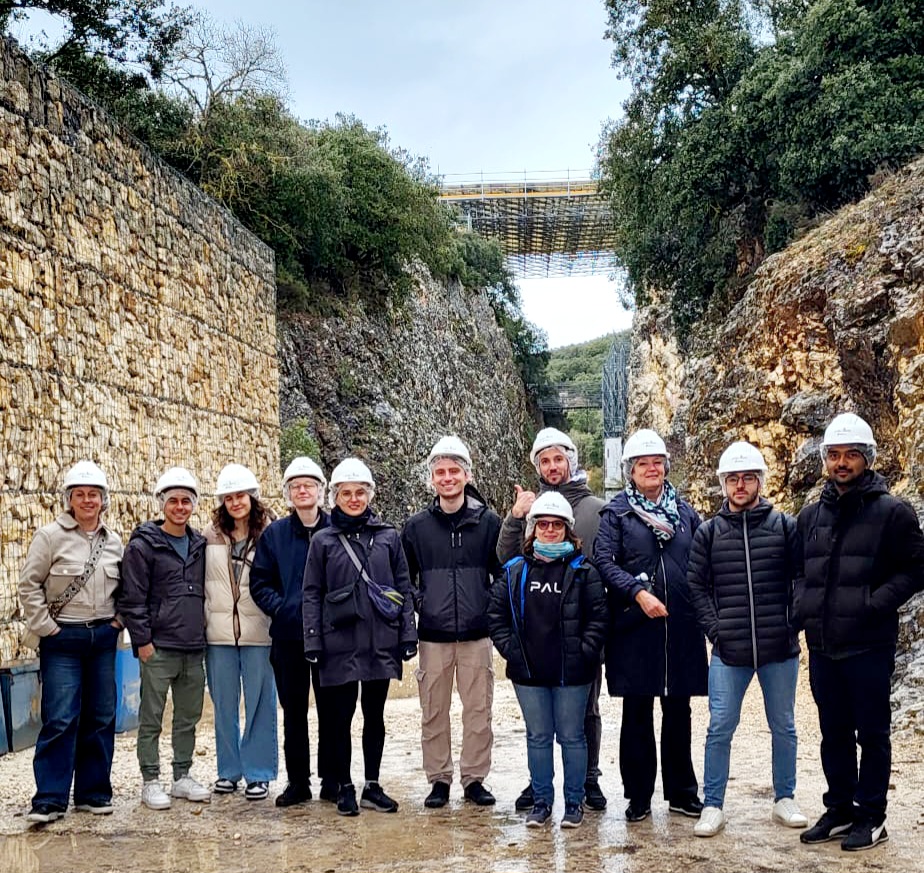
This diversity was essential, but it also made communication difficult. “The first year was just about learning to speak the same language,” he admits. “What one person from neuroscience means might be totally different from what an engineer, even if they use the same words.” Discussions over simple terms often turned into deep philosophical debates. “One of the most important things,” he says, “is to arrive at a common language.”
Beyond communication, finding the right people was a challenge. “Human resources is a major thing. Finding the right people shapes what your project becomes.” The high-risk nature of the Pathfinder programme made it even more demanding. “I like problems that are easy to say in one sentence, but then they are very complicated to solve.” Asking how robots could invent tools opened a complex path. The METATOOL team now includes three PhD students, four postdocs, and four researchers, and part of Pablo’s role is keeping everyone motivated. “Science takes time,” he says. “I’m trying to embrace a slower mode of science, where progress is real, even if it’s not immediate. Motivation moves in waves. You just have to ride them and support your team when they hit low points. In some ways, we scientists are coaches too.”
In the short term, METATOOL aims to demonstrate that robotic invention is scientifically possible. “We’re showing that we have the tools and the knowledge to make it happen,” says Pablo. Prototypes already exist. “We have robots designing their own tools using CAD – computer-aided design. They can create something like a screwdriver from scratch.”
But invention is a harder problem than design.
“The challenge isn’t building a screwdriver but building something that performs the same function when you don’t have a screwdriver. The robot has to understand the task and invent a tool that solves it.”
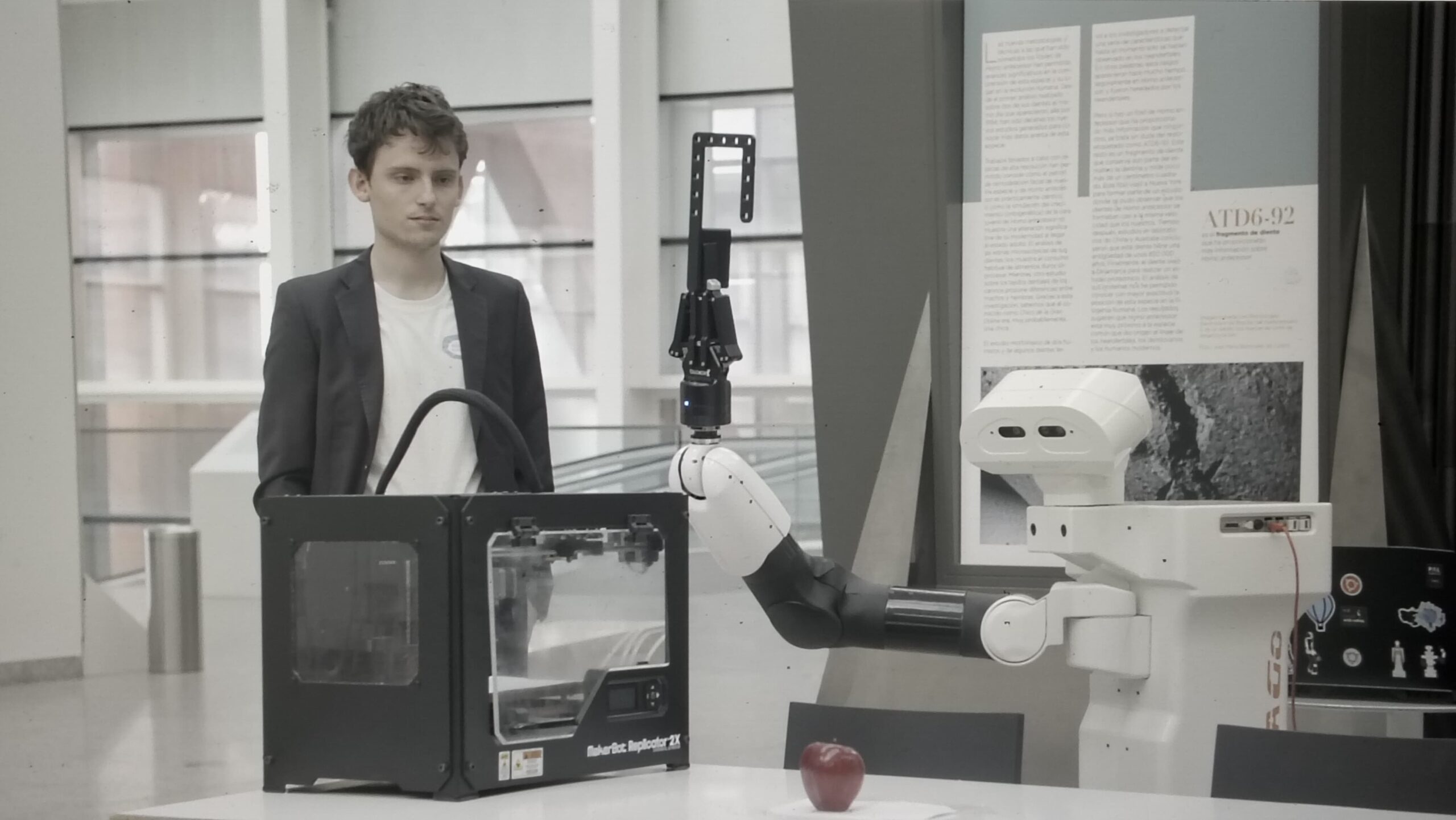
That ability to reverse-engineer a need into a physical object is what makes the project so revolutionary.
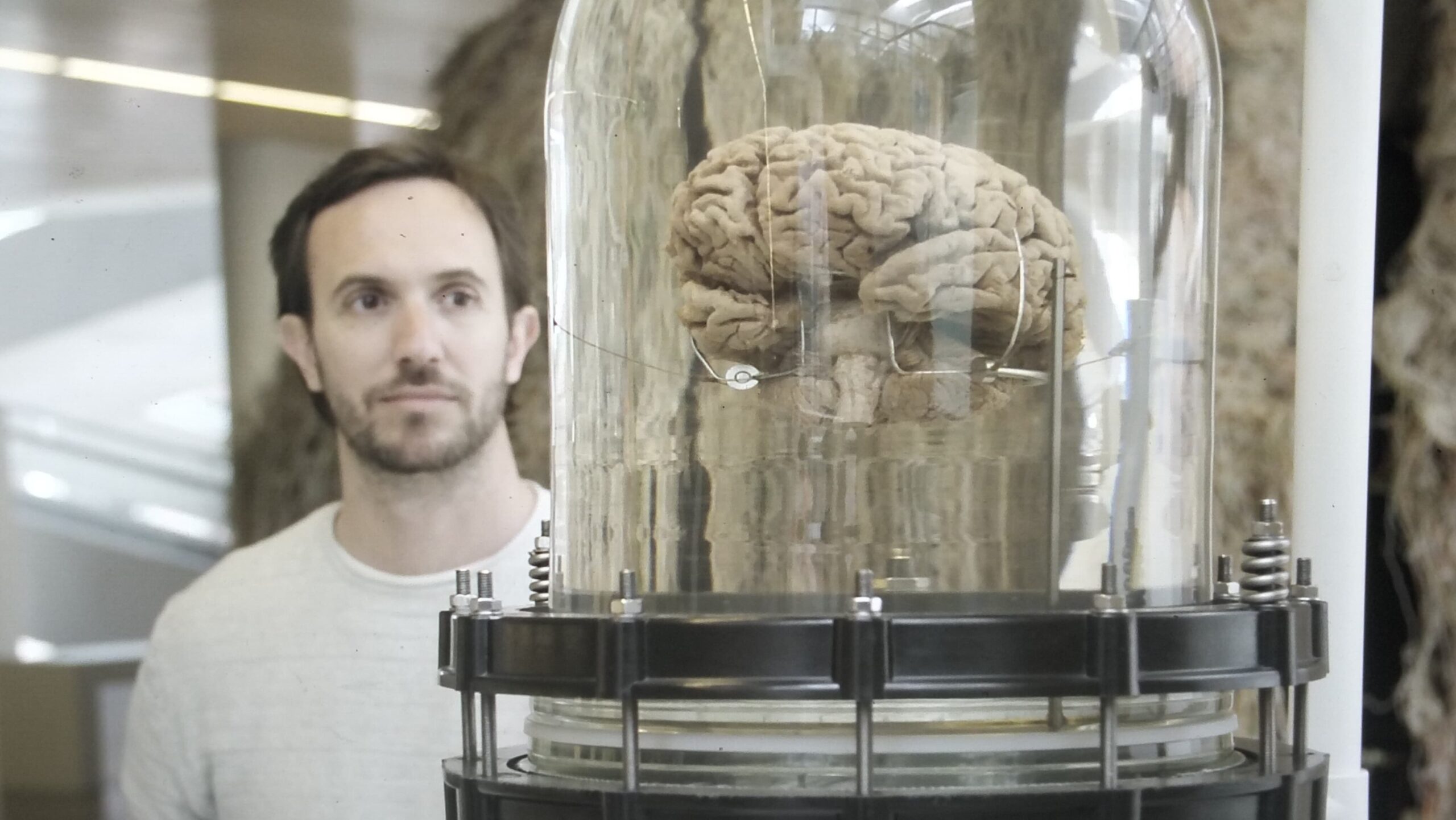
Robots must understand tasks and design new tools based on function, not memory. “Machine learning algorithms are not human, so they invent new things that maybe are interesting.” The long-term vision is crystal clear. “We’re building robots that one day could invent tools for situations we haven’t imagined yet,” Pablo explains. “That means they could operate in unknown environments, adapt, and solve problems autonomously.”
He compares it to protein generation in AI. “It’s easy to generate new molecules. The problem is: what is the molecule I need for this specific task?” For robots, “What is the tool I need for this specific task?” But unlike virtual tools, these inventions must work in the real, physical world. “It’s not only about inventing, but also about using that invention in the real world.”
The project has also had a personal impact. Pablo wrote the entire proposal in under three weeks, a solo effort driven by urgency and vision. “It was intense. I barely slept. But the idea was so clear, it practically wrote itself.” Around that time, he also had a daughter and moved from the Netherlands to Madrid to start a new lab. Starting fresh in Madrid came with bureaucratic delays, including transferring the project to a new institution. “What I said I’d invest in the project time-wise isn’t what I actually put in. It’s much more. But I’m happy with that.”
One moment had a particularly intense impact on him. “We brought our robots to the Human Evolution Museum. There was something incredible because we had kids and people going to a museum to see ancient humans, and they were seeing robots at the same time.” It brought the past and future together in a powerful way.
Reflecting on the broader meaning, for Pablo, METATOOL is more than a scientific project; it’s a reflection on what makes us human.
“We use tools to extend our capabilities, both physically and mentally. Our brain is lazy, and this is why we invent tools. Intelligence, for me, is the capacity to externalise computation into technology. And that’s what we’re trying to teach machines to do.”
Cover picture by ThisisEngineering on Unsplash
